Does Virtual Reality Offer a Sustainable Long-Term Approach to Managing Real-World Anxiety Disorders?
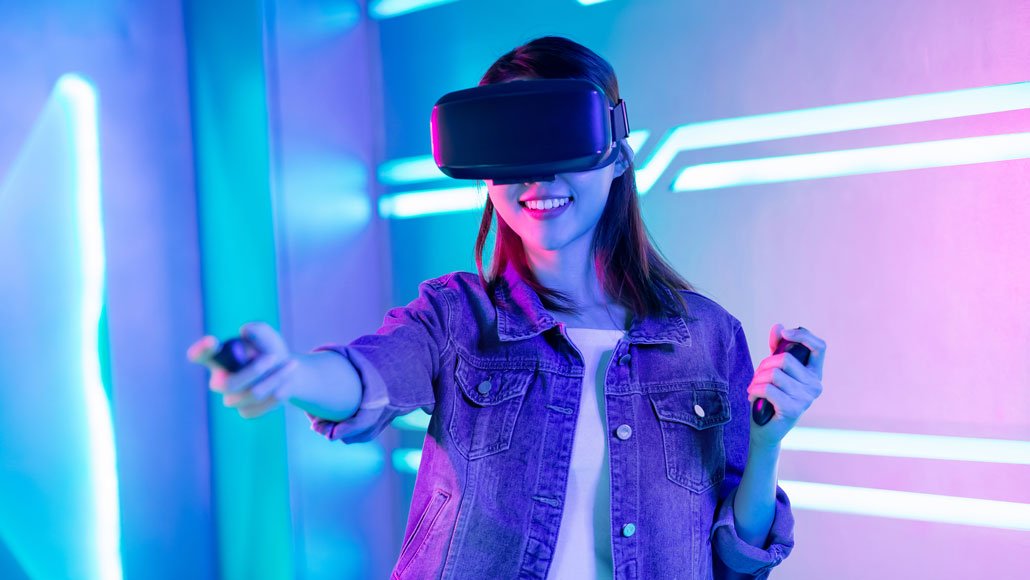
Virtual reality has become one of the most talked-about tools in the world of tech and mental health. People use headsets to step into digital places that look and feel real. These spaces can help them face fears, relax, or learn to manage stress. As anxiety disorders continue to rise, many people wonder if virtual reality (VR) can be more than a short-term fix. Can it become a long-term, sustainable way to manage anxiety in real life
Read also: The Role of Technology in Shaping the Modern World
Understanding Virtual Reality as a Mental Health Tool
What Makes VR Different From Traditional Therapies?
Virtual reality is not just a video game. It is an immersive digital world that people can step into. VR allows therapists and users to create controlled scenes, like a busy street, a classroom, a high bridge, or a calm beach. These scenes feel real because the user’s eyes and brain respond to what they see.
Unlike traditional therapy, where a person only talks about fear, VR lets them experience it in a safe space. This helps the brain build new emotional responses. Think of it as “practice for real life.” This is why VR exposure therapy has become a strong tool for people dealing with social anxiety, fear of heights, public speaking fears, and more.
How Immersive Environments Shape Emotional Response
A VR environment can trigger emotions the same way real life does. When the brain sees a tall building in VR, the body feels the same tension as standing on a real rooftop. Heart rate changes. Breathing shifts. Muscles tighten. This makes VR a powerful training tool.
The brain learns faster when it experiences something instead of just hearing about it. This is why VR can help people build confidence and reduce avoidance behaviors. By repeating VR sessions, users gain emotional control that transfers into real-world settings.
The Core Problem – Rising Anxiety in Modern Society
Social Pressure, Overstimulation, and Mental Fatigue
Modern life is fast, loud, and full of pressure. People face nonstop notifications, school demands, work stress, and social comparison. Digital noise never stops. This constant stimulation strains the nervous system and increases anxiety symptoms like restlessness, worry, and fear.
The rise of severe anxiety among young adults and teens shows how daily life has changed. Many users feel overwhelmed by social media, expectations, and future uncertainty. VR gives them a chance to step out of this noise and reset their nervous system.
Why Conventional Anxiety Treatments Aren’t Always Enough
Traditional anxiety treatment often includes talk therapy, medication, or breathing exercises. These methods help, but they sometimes fall short because the brain needs real-world practice to change behavior.
Someone afraid of crowds needs to experience crowds. Someone afraid of public speaking needs to practice speaking. But doing these things in real life can feel too scary. That’s why people avoid them.
Avoidance makes anxiety worse.
VR gives a bridge between fear and experience, making progress easier, safer, and faster.
VR as a Solution – Can Virtual Therapy Reduce Real-World Anxiety?
Exposure Therapy Through Controlled Virtual Environments
Virtual reality creates exposure environments that therapists can modify with safety in mind. Users can face fears one step at a time:
- smaller crowds before bigger crowds
- low heights before tall heights
- calm audience before active audience
This controlled structure helps the brain adapt without feeling overwhelmed. Studies show that VR exposure therapy can help with:
- social anxiety disorder
- panic disorder
- phobias
- agoraphobia
- post-traumatic stress responses
- work-related stress
The user learns to stay calm even when triggers appear. With time, this calmness transfers to the real world.
VR Meditation Spaces for Reducing Stress and Overthinking
VR isn’t only for exposure. It can also create soothing spaces designed to reduce stress. A user can sit beside a digital waterfall, float above clouds, or walk through a peaceful forest. These environments help decrease heart rate and relax the mind.
Meditation apps inside VR help users practice:
- guided breathing
- mindfulness
- grounding exercises
- visual relaxation
These tools support the nervous system and reduce overwhelming thoughts. People with generalized anxiety often report better focus and emotional balance after using VR relaxation programs.
Role of VR Simulations in Building Confidence and Emotional Stability
One of VR’s biggest strengths is skill development. It builds confidence through repetition. Users can practice:
- job interviews
- presentations
- social conversations
- driving situations
- medical or emergency scenarios
Each practice session reduces fear and raises emotional strength. Over time, this leads to better self-control in real life.
Practical Applications of VR for Anxiety Reduction
VR for Public Speaking Practice
VR lets users stand in front of a digital audience with no real risk. They can practice tone, posture, eye contact, and pacing. The brain learns to speak without panic, making real presentations easier.
VR for Social Interaction and Communication Confidence
For people with social anxiety, simple interactions can be stressful. VR creates casual practice scenes like:
- ordering food
- introducing yourself
- starting conversations
- asking questions
- responding to group discussion
These exercises build communication skills and emotional comfort.
VR for Fear Desensitization (Heights, Flying, Crowds, Driving)
Many common phobias respond well to VR:
- fear of riding elevators
- fear of heights
- fear of flying
- fear of tight spaces
- fear of driving
- fear of crowds
Users can face these fears step by step, building desensitization in a safe and controlled setting.
Problems and Limitations of Using VR for Anxiety
High Costs, Access Challenges, and Technical Barriers
Although VR is becoming cheaper, many systems are still expensive. Not everyone has a headset at home. Some people may also struggle with setting up equipment or using digital tools. These barriers limit widespread access.
There is also the cost of therapy. VR-based mental health programs can be more expensive than traditional counseling. Until prices drop, some users may not get the full benefits.
Risk of Overreliance on VR and Reduced Real-World Exposure
While VR is helpful, it should not replace real life. If someone only practices in VR but never tries real situations, they may become too dependent on the digital world for comfort. The goal is to use VR as a stepping stone, not a final destination.
Motion Sickness, Eye Strain, and Physical Discomfort
Some users experience:
- nausea
- dizziness
- eye strain
- headaches
- fatigue
This usually happens when the digital motion doesn’t match the body’s physical state. These issues can limit how long someone can use VR, especially during intense therapy sessions.
Future Possibilities – Where VR Mental Health Therapy Is Going
AI-Driven VR Therapists
The future will bring AI-based virtual therapists who can talk, guide, and respond to the user’s emotions. These digital helpers may offer real-time advice, suggest coping skills, or create customized exposure scenes.
Data-Based Personalized Therapy Sessions
VR systems are becoming smarter. They can track:
- heart rate
- breathing speed
- emotional reactions
- stress levels
- eye movement
This data helps create personalized sessions that adjust intensity based on the user’s progress.
Integration With Wearables and Biofeedback
Wearable devices like smartwatches or biometric rings will soon work with VR to give feedback on stress levels. VR will change its environment based on the user’s needs. For example:
- scenery becomes calmer if heart rate goes up
- breathing slows during guided sessions
- lighting shifts to reduce tension
This creates a more natural and effective therapeutic experience.
Conclusion
Virtual reality offers a powerful and promising way to manage real-world anxiety disorders. It helps people practice facing fears, learn calming skills, and gain confidence in a safe digital environment. Through exposure therapy, meditation spaces, and skill-building simulations, VR gives users real emotional tools that translate into daily life.
However, VR is not perfect. High costs, technical limits, and physical discomfort can hold some people back. Overreliance on digital environments can also slow real-world progress if not paired with real experience.
Even so, the future of VR in mental health looks bright. With improvements in AI, data tracking, and wearable integration, VR could become one of the strongest long-term approaches for managing anxiety in a sustainable way. It gives people the chance to grow emotionally, build strength, and face life with greater confidence.
Read also: Reverse Engineering Your Competitors’ Lead Generation Tactics: What Works and What Doesn’t